Hygroscopic Physics of Himalayan Salt: Moisture Absorption and Thermal Dissipation
Thermodynamic analysis of ambient humidity uptake, mild negative ionization, and preventing lamp sweating in humid climates.

Understanding the Physical Interaction Between Halite and Humidity
Himalayan rock salt is inherently hygroscopic: its chemical structure naturally attracts and absorbs ambient atmospheric moisture vapor from surrounding indoor air.
The Thermodynamic Dissipation Cycle
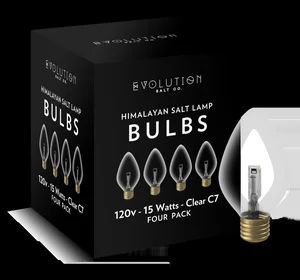
When an internal tungsten incandescent bulb warms the salt crystal from within (reaching an optimal surface temperature of 35–45°C), the captured water vapor evaporates back into the surrounding air, creating a continuous natural moisture exchange cycle. This evaporation process helps clear airborne dust, pollen, and odor particles bound within airborne humidity.
Mitigating "Sweating" in High-Humidity Climates
If lamps are left switched off in unventilated rooms with relative humidity >70%, water accumulation exceeds evaporative capacity, causing liquid brine to pool around the base. GlobeRoot includes clear retailer guidelines advising continuous low-wattage operation to maintain surface warmth.
Bilal Hashmi
Bulk Commodity Containerload (FCL) & Port Qasim Logistics Director
Reviewed against Khewra mine geological trace-mineral assays, ISO 22000 / HACCP / Halal / Kosher food safety, and SGS pre-shipment FCL inspection protocols.